The short answer
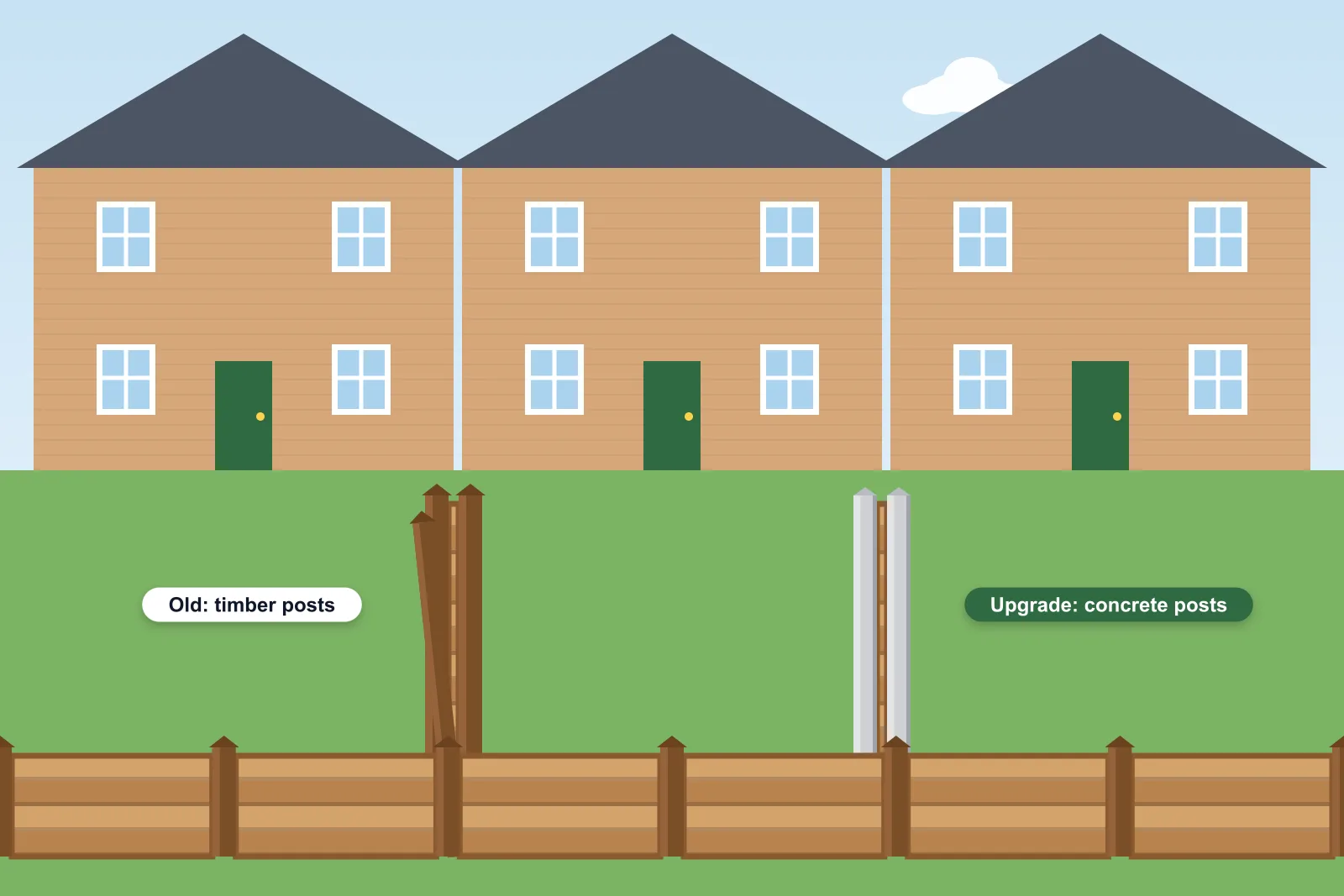
Before fencing a new-build garden, check your title plan for which boundaries you're responsible for, look for covenants restricting fences, and ask the developer what's covered under their warranty. Expect compacted subsoil and buried rubble that makes post holes hard work, and plan for drainage. Upgrading to concrete posts and gravel boards is often the best first improvement.
Developers fit fences quickly and economically. Typical new-build fences are lightweight panels on timber posts, sometimes only 1.2–1.5m high, and sometimes just post and wire between gardens. They're fine at first but often start to lean or blow down within a few years – and many owners want more privacy straight away.
Check the paperwork
- Title plan – which boundaries are yours? Look for 'T' marks or a plan in the transfer deed
- Covenants – some estates restrict front or side fences, or fence heights
- Planning conditions – the estate permission may control boundary treatments
- Developer warranty – fences are often only covered for a short snagging period
- Management company rules – especially on shared or communal areas
What's under the turf
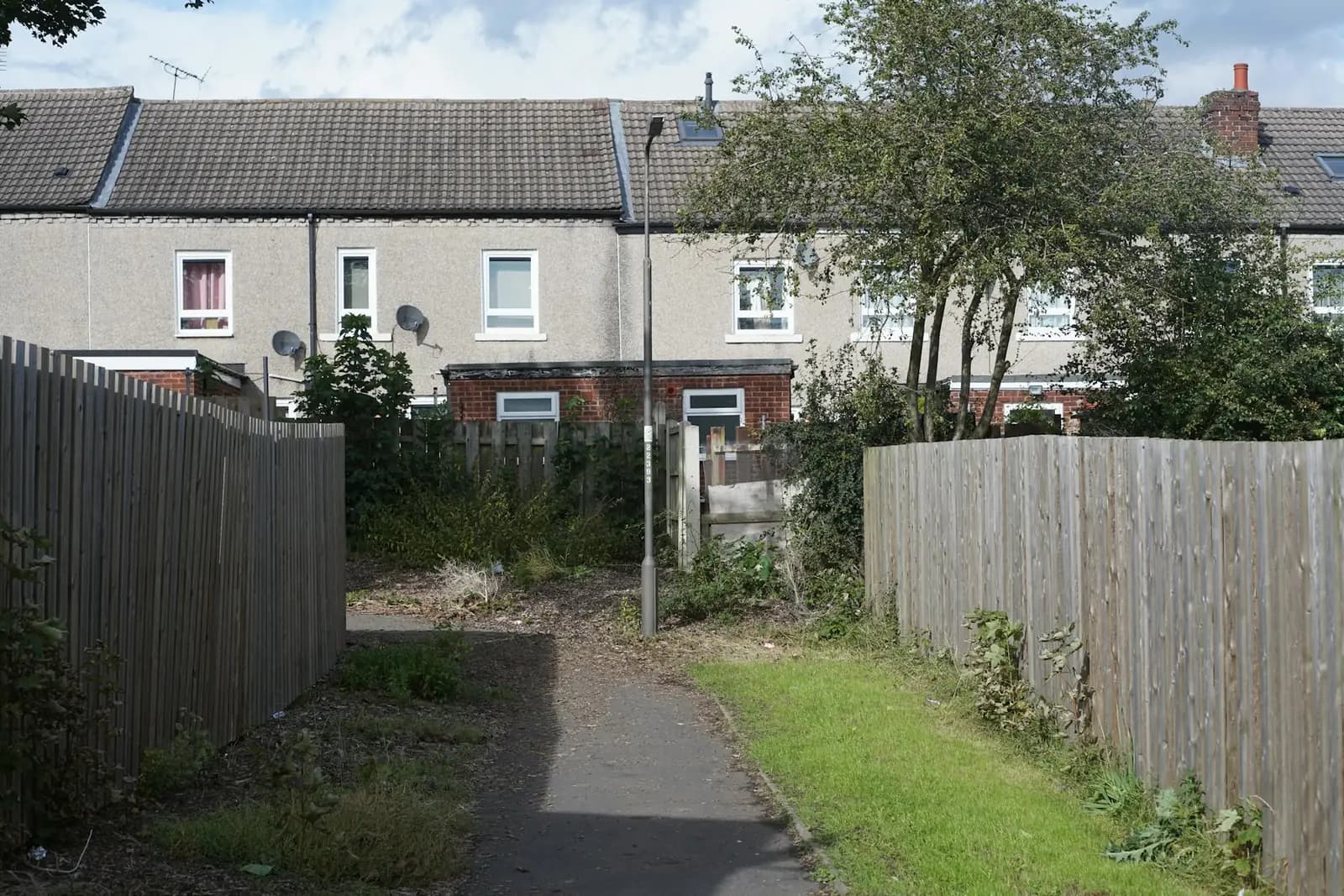
New-build gardens often have a thin layer of topsoil over compacted subsoil, clay and building rubble – broken blocks, concrete, offcuts. Post holes can be slow to dig, and you may hit buried services. Always check for cables and pipes before digging, especially near the house, and use a cable detector if in doubt.
Compacted clay also holds water, and posts sitting in waterlogged holes rot faster. See fence posts in difficult ground.
Upgrading developer fences
The most common upgrade is replacing timber posts with slotted concrete posts and concrete gravel boards, then reusing or upgrading the panels. That fixes the weakest point – the post at ground level – and lets you swap panels later without disturbing the posts.
If you want more privacy, you can increase height to 1.8m (usually without planning permission in back gardens, unless restricted), or add trellis. See concrete vs timber fence posts and raising fence height with trellis.
Working with new neighbours
On a new estate, everyone moves in at once – which makes it a good time to agree a shared approach to boundaries. Splitting the cost of a better fence, agreeing a style and agreeing who maintains which side avoids problems later. See neighbour fence disputes.