Closeboard & Feather Edge Fencing
Built board by board on site, closeboard is the fence many contractors put up around their own gardens. Compare quotes from local installers.
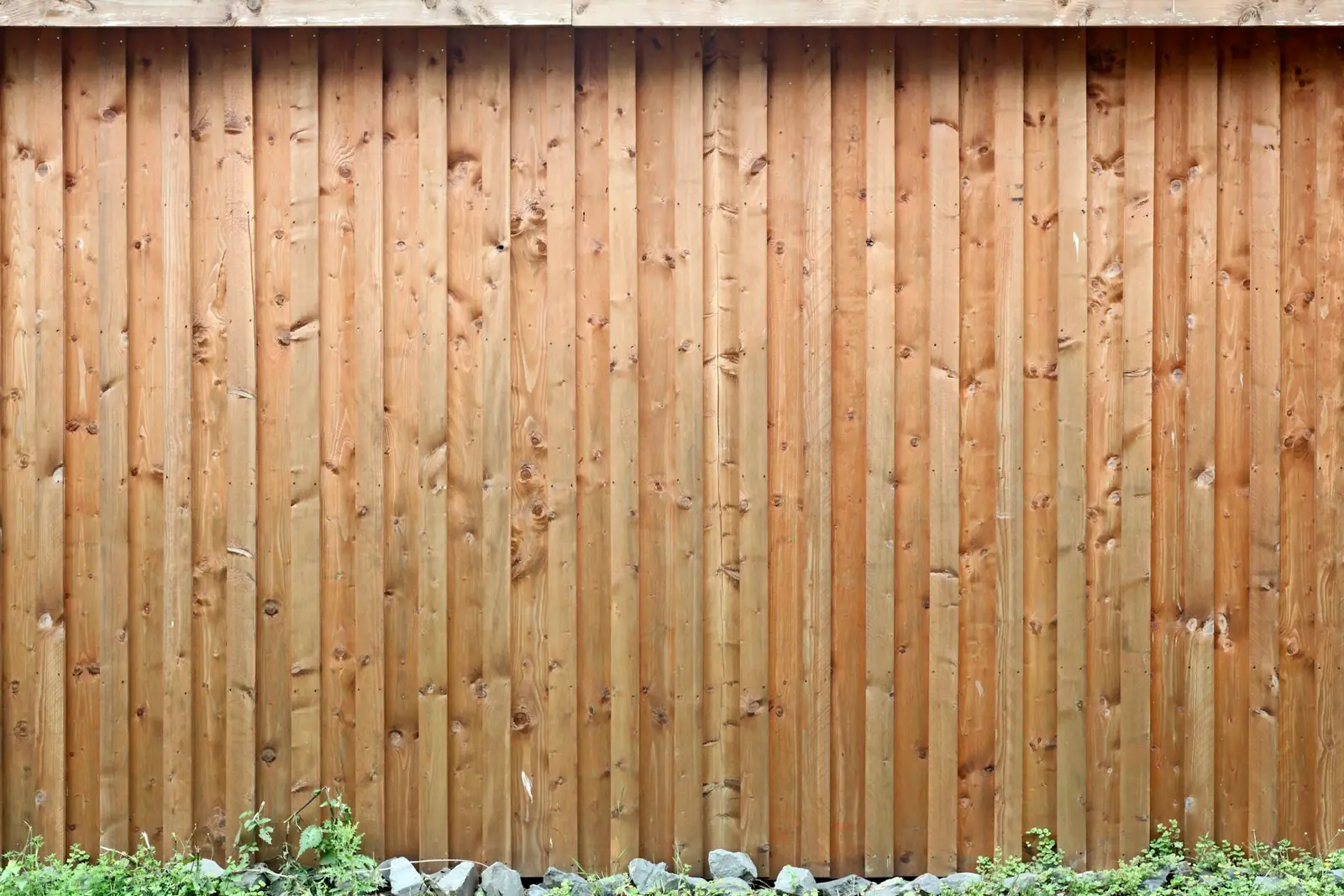
Closeboard fencing – often called feather edge fencing – is made from vertical boards that are thicker on one edge than the other. Each board overlaps the next by around 20–25mm and is nailed to horizontal rails fixed between the posts. Because the fence is assembled on site rather than delivered as panels, it can follow slopes, fit awkward lengths and be repaired one board at a time.
It is heavier and more solid than a standard panel fence, which is why it is so common on exposed sites, along roads and on boundaries where privacy and security matter. If you have lost panels to storms in the past, closeboard is usually the upgrade contractors recommend.
How a closeboard fence is built
Posts are set in concrete at intervals of up to about three metres. Two or three rails run between them – triangular arris rails on traditional timber-post fences, or rectangular cant rails when slotted concrete or morticed posts are used. The feather edge boards are then nailed on vertically, overlapping, with a gravel board along the bottom to keep the boards off the soil.
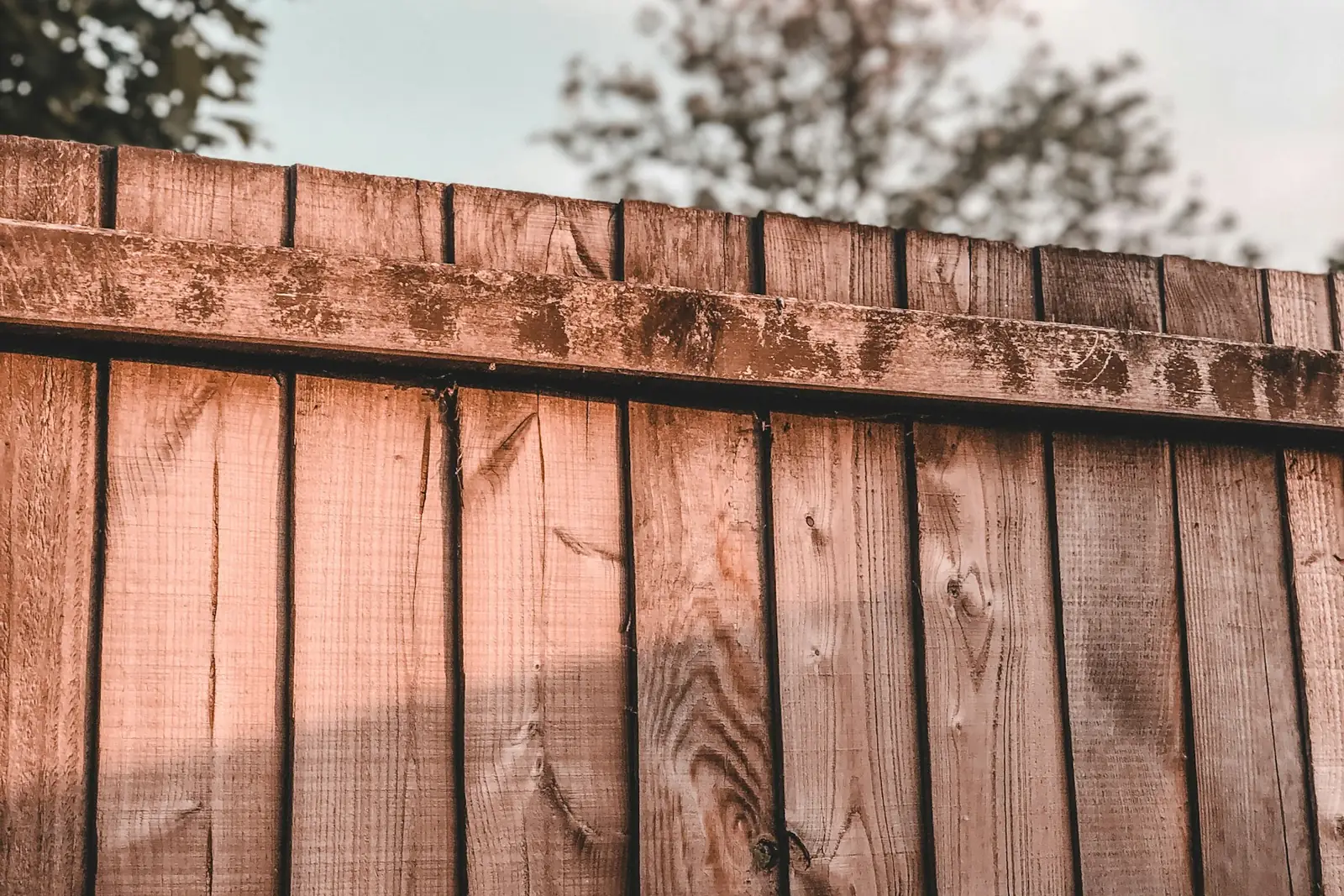
A capping rail and counter rail along the top are optional but worth having: they shed rain away from the end grain of the boards, which is where rot usually starts.
- Posts: 100mm x 100mm pressure-treated timber, or concrete slotted or morticed posts
- Rails: arris rails (timber posts) or cant rails (concrete posts), two for fences up to 1.2m and three for taller fences
- Boards: feather edge boards, typically 100mm or 125mm wide
- Gravel boards: timber or concrete, replaceable if they get damaged
Closeboard or panel fencing?
Panel fencing is quicker to install and cheaper to buy, which is why it is so popular. Closeboard costs more because it takes longer to build, but it is stronger, easier to repair and usually lasts longer. It also copes far better with sloping gardens because the rails can be stepped or raked to follow the ground.
A good middle ground is a closeboard-style panel – a pre-made panel with feather edge boards on a frame. It looks similar but will not match the strength of a fence built on site.
Timber, treatment and lifespan
Most closeboard fences use pressure-treated softwood. Look for posts treated to Use Class 4, which is intended for timber in contact with the ground. Boards and rails can be Use Class 3. A well-built closeboard fence on concrete posts can last 20 years or more with occasional treatment; on timber posts, the posts are usually the first thing to fail.
Freshly treated boards often have a green or brown tint that weathers to silver-grey. You can leave it, or apply a water-based preserver after the first season.
Typical closeboard fencing costs
| Job | Typical UK price |
|---|---|
| Closeboard fence, 1.8m high, concrete posts (supply and fit) | £110–£180 per metre |
| Closeboard fence, 1.8m high, timber posts (supply and fit) | £95–£160 per metre |
| Capping and counter rail (added) | £8–£15 per metre |
| Removal and disposal of old fence | £10–£25 per metre |
Indicative UK ranges for straightforward runs on level ground. Slopes, difficult access and removing old concrete footings add cost; London and the South East are often at the top of the range.
Compare quotes for closeboard fencing
Have the length, height and style in mind – or just describe the problem – and compare quotes from fencing contractors near you.
Get free fencing quotes
Describe your job once and compare quotes from local tradespeople who cover your area.
- Free to use
- No obligation
- Compare local tradespeople
- Quick online form
You'll continue to our quotes partner, MyJobQuote, to describe your job.
Fencing contractors near you
Our local fencing guides cover the homes, gardens and conditions in each area.
Closeboard fencing: common questions
Is feather edge fencing the same as closeboard?
In everyday use, yes. Feather edge describes the tapered boards; closeboard describes the finished fence where those boards overlap on rails. Contractors use the terms interchangeably.
Which side of a closeboard fence faces the neighbour?
By convention the smooth, boarded side faces outwards towards the neighbour or the road, with the posts and rails on your side. It is a courtesy rather than a law, but it is worth agreeing with your neighbour before work starts.
Can closeboard fencing go on a slope?
Yes, and it is one of its main advantages. The rails can follow the slope so the top of the fence runs parallel to the ground, or the fence can be stepped in sections.
How long does it take to put up a closeboard fence?
A two-person team can typically build 10–20 metres a day on a clear, level site, depending on post type and ground conditions. Concrete needs time to set before boards are fixed on some installations.
Ready to compare closeboard fencing quotes?
Free, no-obligation quotes from local fencing contractors.
Get Free Quotes