Retractable Patio Awnings: A Complete Guide
Shade when the sun is out, a clear view of the sky when it is not. Here is how retractable awnings work and how to choose one that lasts.
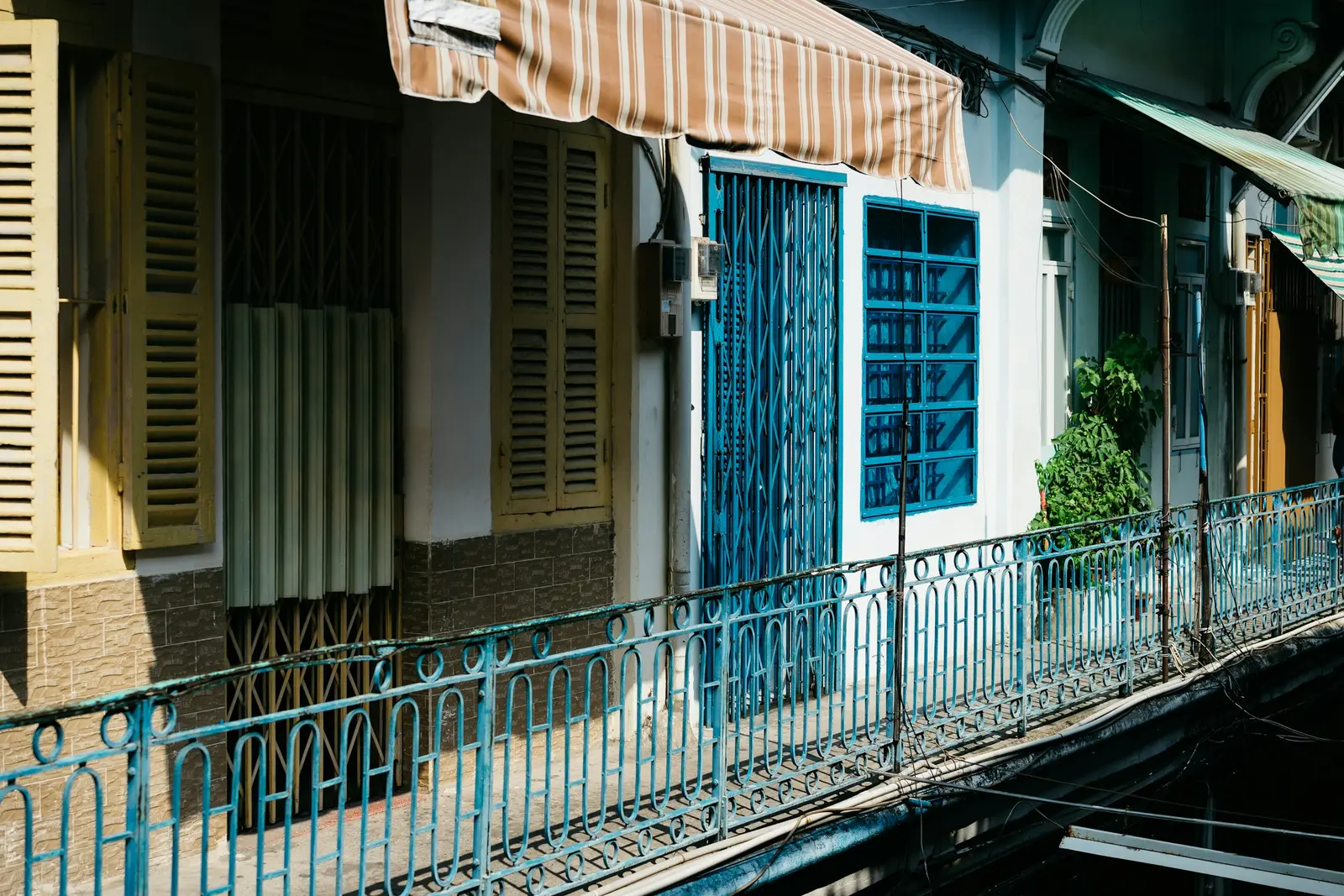
A retractable awning is a fabric canopy on a roller that is fixed to the wall of the house. Spring-loaded folding arms push the fabric out over the patio when you want shade and fold neatly back against the wall when you do not. Because it disappears when it is not needed, it does not darken the rooms inside or need planning permission in most cases, which is why it has become the most popular way to shade a British patio.
The difference between a good awning and a disappointing one is mostly invisible in the brochure: the strength of the arms, the quality of the fabric, how well the cover protects the roller and – above all – how securely it is fixed to the wall. This guide explains what matters so you can compare quotes with confidence.
How a folding-arm awning works
The fabric is wound around a steel or aluminium roller tube. Two or more lateral arms, each with a strong spring or gas strut in the elbow, push the front bar outwards as the fabric unrolls and keep it taut once it is open. The whole assembly hangs from a square support bar fixed to the wall with heavy brackets.
You open and close it either with a hand crank that hooks into a gearbox, or with a tubular motor hidden inside the roller tube. The pitch – the angle the fabric falls at – can be adjusted on most models, usually between about 5 and 35 degrees.
- Projection: how far the awning comes out from the wall, typically 1.5m to 4m
- Width: the length along the wall, from about 2m up to 7m for a single awning
- Arms: the springs and joints that do the work – the part most worth paying for
- Cover: open, semi-cassette or full cassette protection for the rolled-up fabric
Is a retractable awning right for your home?
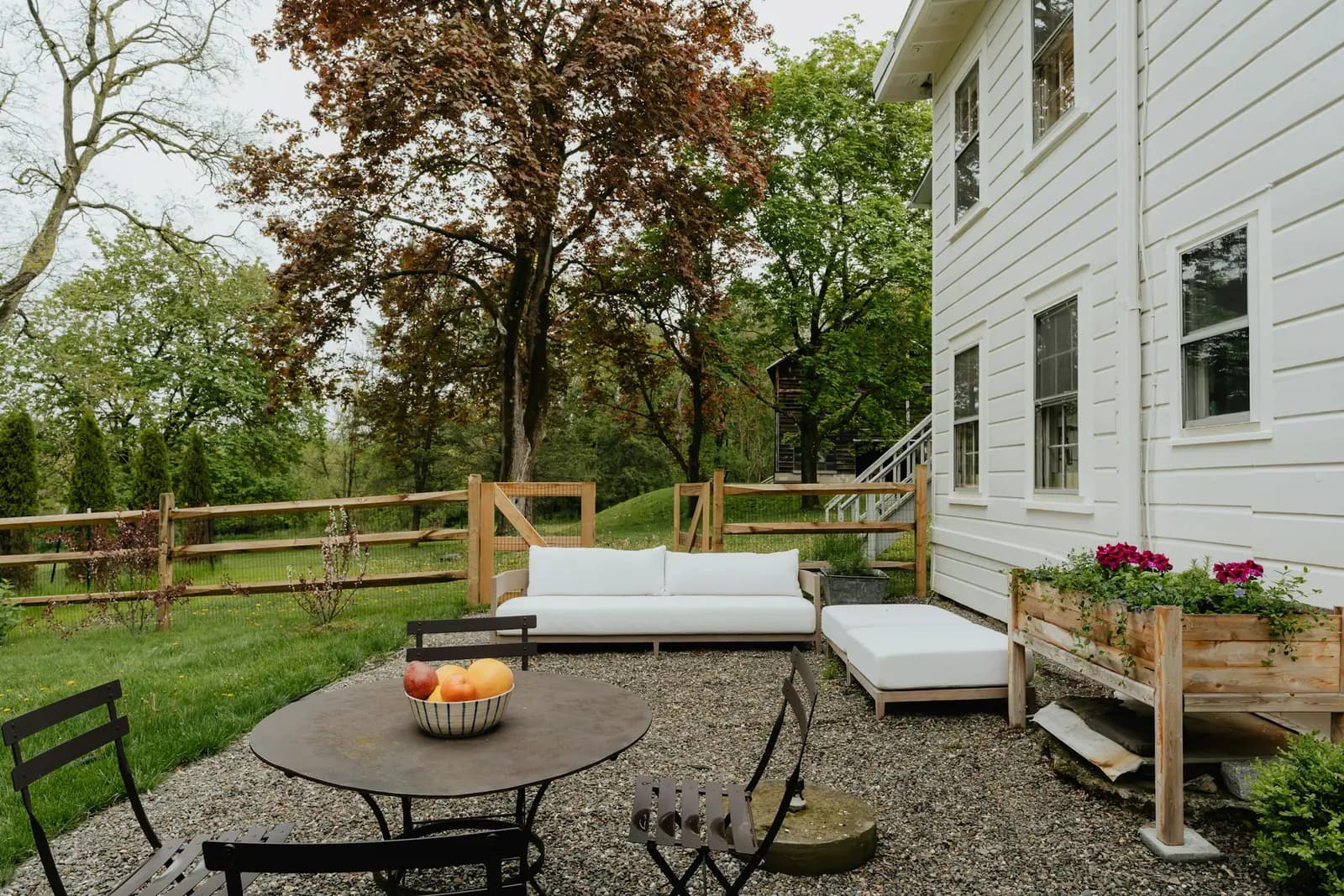
Awnings work best on a wall with at least 2.5m of clear height above the patio, where the sun reaches the seating area for much of the day – usually a south, south-west or west-facing wall. They are ideal if you want shade in summer but do not want a permanent roof that blocks light into the kitchen or living room for the rest of the year.
They are not designed to stay open in strong wind or heavy rain. If you want somewhere to sit outside in all weathers, a louvred pergola or a glass veranda will serve you better, though at a much higher price. Our guide to awnings versus pergolas covers the alternatives.
What separates a cheap awning from a good one
Budget awnings sold online often use thin arms with weak springs, polyester fabric that fades in a season or two and no cover over the roller. They can be a reasonable choice for an occasional bit of shade, but they sag, flap and wear quickly.
A quality awning from a specialist installer will usually have powder-coated aluminium arms with belt or chain-reinforced elbows, solution-dyed acrylic fabric, stainless steel fixings and a written guarantee on the frame and motor. Ask each installer to name the manufacturer and model so you can compare like with like.
Typical retractable awning prices
| Job | Typical UK price |
|---|---|
| Manual awning, 3m wide x 2.5m projection, supplied and fitted | £900–£1,700 |
| Motorised semi-cassette awning, 4m x 3m, supplied and fitted | £1,900–£3,500 |
| Motorised full cassette awning, 5m x 3m, supplied and fitted | £3,000–£5,500 |
| Wind and sun sensor package (added) | £150–£450 |
Indicative UK prices for a straightforward fixing to solid brick. Rendered or insulated walls, high fixings and a new outdoor power supply add to the cost.
Compare awning quotes
Have a rough width and projection in mind, or just describe the space you want to shade, and compare quotes from awning installers near you.
Get free awning quotes
Describe your job once and compare quotes from local tradespeople who cover your area.
- Free to use
- No obligation
- Compare local tradespeople
- Quick online form
You'll continue to our quotes partner, MyJobQuote, to describe your job.
More awning guides
Plain-English advice on choosing, buying, fitting and looking after an awning.
- Electric vs Manual Awnings
- Awning Fabrics and Colours
- Awnings in Wind and Rain: Sensors and Safe Use
- Awning Installation: What to Expect
- Do You Need Planning Permission for an Awning?
- Awnings vs Pergolas, Parasols and Shade Sails
- Awning Maintenance, Cleaning and Repairs
- Shop and Café Awnings
- Window Awnings and Canopies to Keep Your Home Cool
- Balcony Awnings for Flats and Apartments
- How to Choose an Awning Installer and Compare Quotes
Retractable awnings: common questions
How long does a retractable awning last?
A well-made awning frame typically lasts 15 years or more. The fabric is the part that wears: good acrylic fabric usually lasts 8–12 years before it fades or needs replacing, and it can be re-covered without changing the frame.
Can I leave my awning out in the rain?
Light showers are fine on most awnings if the pitch is steep enough for water to run off. In heavy rain, water can pool on the fabric and bend the arms, so it is best to close the awning or fit a rain sensor.
Do retractable awnings need planning permission?
In most cases, no. A retractable awning on a house is usually treated as a minor addition. Listed buildings, some conservation areas and flats are exceptions – see our planning guide for details.
How far out can an awning come?
Most domestic awnings project between 1.5m and 4m. Some heavy-duty models reach 4.5m or more, but they need a very strong wall and are more sensitive to wind.
Ready to compare awning quotes?
Free, no-obligation quotes from local awning installers.
Get Free Quotes