Fence Panel Installation
New panels, new posts or a completely new run – get quotes from fencing contractors who supply and fit panel fencing.
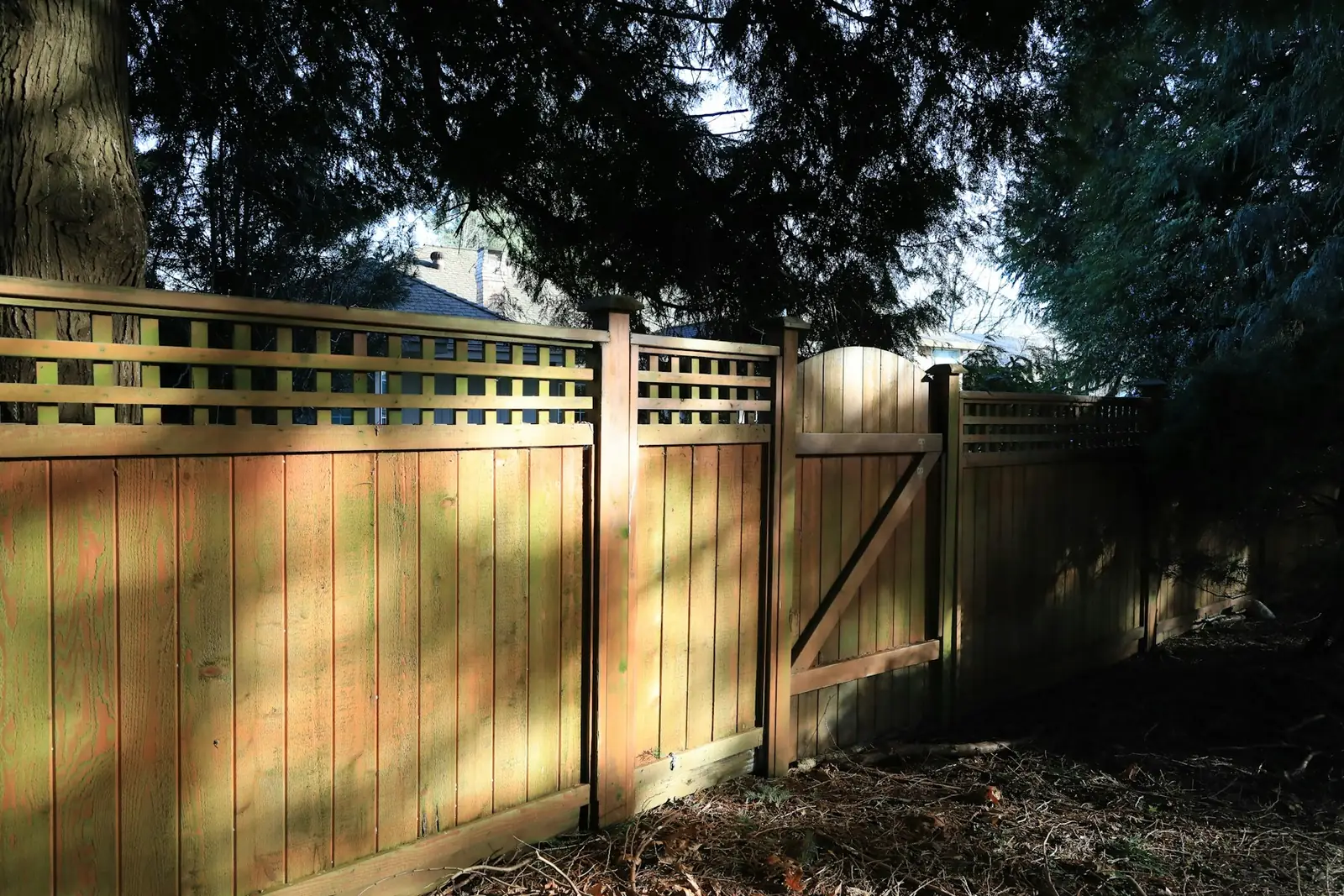
Panel fencing is the most common garden fence in the UK. Pre-made panels, usually 1.83m (six feet) wide, slot between posts or are fixed to them with brackets. It is quick to install, widely available and comes in styles to suit every budget, from basic lap panels to heavy-duty slatted designs.
The panel itself is only part of the story. What makes a panel fence last is the posts it hangs on, the gravel boards that keep it off the soil and the quality of the installation – especially how deep and how well the posts are set.
Choosing fence panels
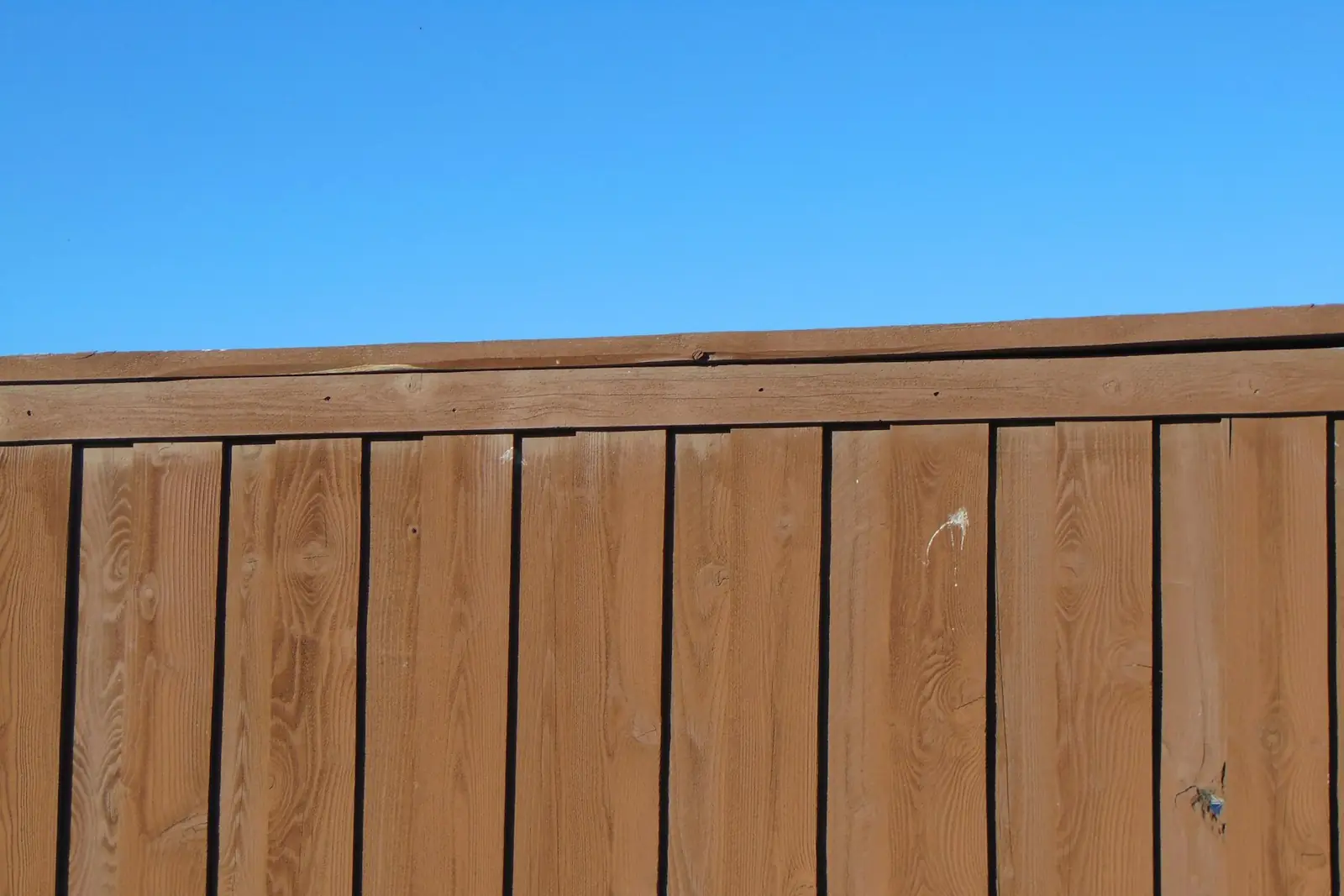
There is a big difference in quality between the cheapest panels and the best. Thin lap panels are lightweight and can be damaged in strong wind; heavier overlap, tongue-and-groove and closeboard-style panels are stiffer and more durable. Contemporary slatted and hit-and-miss panels let some wind through, which helps on exposed sites.
- Lap and overlap panels – budget-friendly, horizontal boards
- Closeboard-style panels – vertical feather edge boards on a frame
- Tongue-and-groove panels – solid, smooth and private
- Slatted and hit-and-miss panels – modern look, lets wind pass
- Trellis-top panels – a lower solid panel with trellis for climbers
Concrete fence posts versus timber posts
Slotted concrete posts are the choice most UK fencing contractors recommend for panel fences. They do not rot, and panels simply slide down into the slots, so replacing a damaged panel later takes minutes. Concrete gravel boards sit in the same slots and protect the bottom of the panel.
Timber posts look warmer and suit some garden styles, but even treated posts eventually rot at ground level. If you choose timber, ask for Use Class 4 posts and make sure they are set deep enough – usually around a quarter of the post's length in the ground.
What a proper panel fence installation includes
A reliable quote should describe the whole job, not just the panels. Expect it to cover removing the old fence, setting posts in concrete or post mix, fitting gravel boards, fitting the panels level and tidying up. Ask how the contractor will deal with any old concrete footings in the ground, as these can take time to break out.
Typical fence panel installation costs
| Job | Typical UK price |
|---|---|
| Standard panels with concrete posts and gravel boards (supply and fit) | £90–£150 per metre |
| Premium or slatted panels with concrete posts | £140–£260 per metre |
| Replacing a single panel (slotted concrete posts) | £120–£250 |
| Replacing a single post | £150–£300 |
Indicative UK prices for a 1.8m-high fence on accessible, level ground. Removing old fencing and difficult access are often priced separately.
Compare quotes for fence panels
Have the length, height and style in mind – or just describe the problem – and compare quotes from fencing contractors near you.
Get free fencing quotes
Describe your job once and compare quotes from local tradespeople who cover your area.
- Free to use
- No obligation
- Compare local tradespeople
- Quick online form
You'll continue to our quotes partner, MyJobQuote, to describe your job.
Fencing contractors near you
Our local fencing guides cover the homes, gardens and conditions in each area.
Fence panels: common questions
How many fence panels do I need?
Divide the length of the boundary by the width of a bay (usually 1.83m for the panel plus the post). Your contractor will measure the run and account for any short bays at the ends.
Can I replace just the panels and keep the posts?
If the posts are sound and upright, yes. With slotted concrete posts it is straightforward. Rotten timber posts should be replaced at the same time or the new panels will be unsupported.
Why do fence panels blow down?
Usually because the posts have rotted or were not set deep enough, or because a solid panel is catching a lot of wind. Stronger posts, heavier panels or slatted designs all help.
Do I need gravel boards?
They are strongly recommended. A gravel board keeps the bottom of the panel off damp soil, which is where rot usually starts, and is cheap to replace.
Ready to compare fence panels quotes?
Free, no-obligation quotes from local fencing contractors.
Get Free Quotes