The short answer
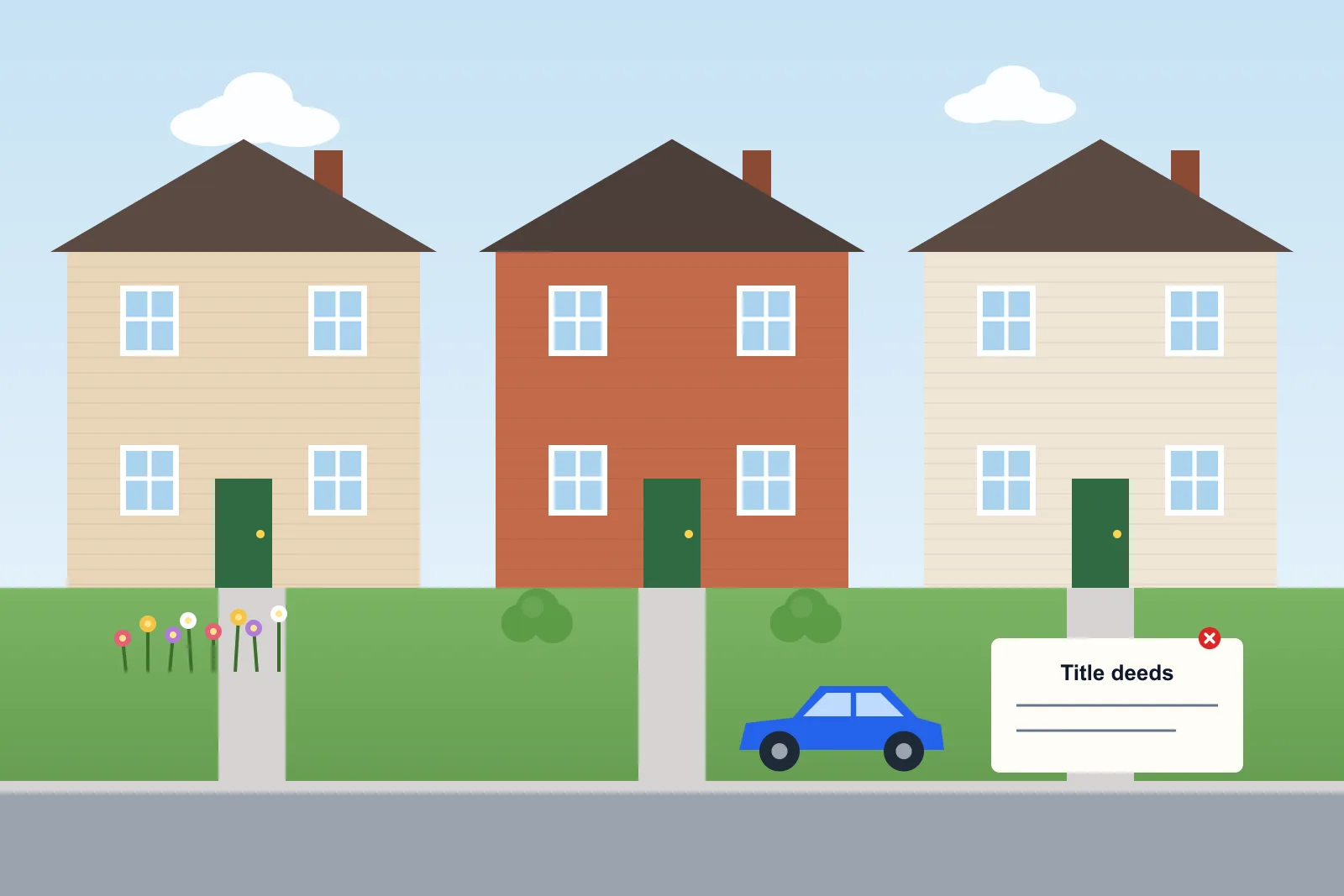
You may not be able to. Many housing estates have restrictive covenants in the title deeds, or planning conditions that remove permitted development rights, which ban fences, walls or hedges in front gardens. Check your title register and the original planning permission for the estate. If there's a restriction, low planting or a formal application may be the only options.
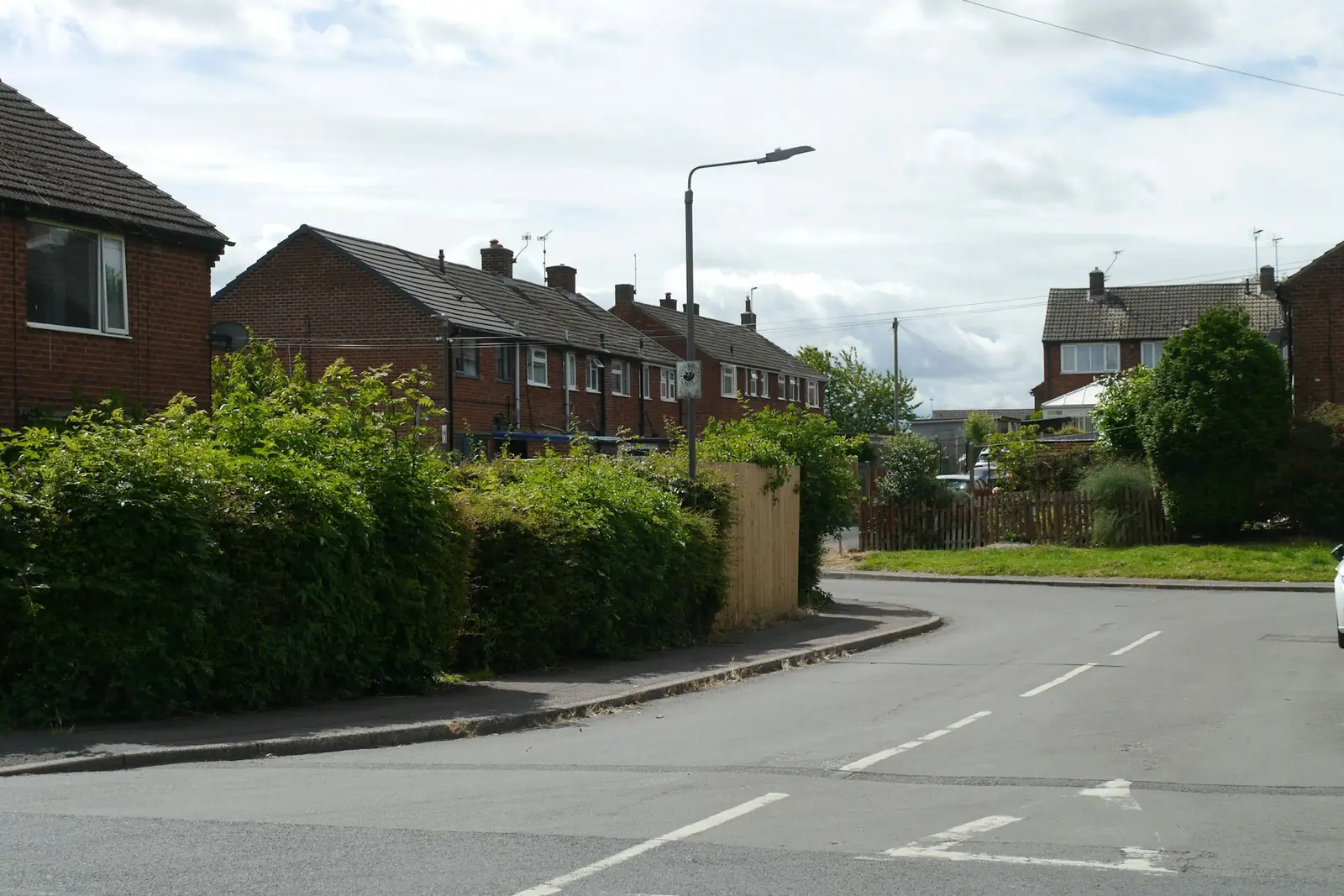
Open-plan front gardens were a planning fashion in post-war and modern estates. Developers and councils wanted wide, green streetscapes without a patchwork of different fences and walls. To protect the look, they often added legal restrictions – and many of those restrictions are still in force decades later.
Fencing in breach of a covenant or planning condition can lead to an enforcement notice, a demand from the developer or management company, or problems when you come to sell.
The two kinds of restriction
Restrictive covenants
A covenant is a private legal promise in the property's title. A typical example: 'not to erect any wall, fence or hedge on the land in front of the building line'. Covenants are enforced by whoever has the benefit of them – often the original developer, a management company or neighbouring owners on the estate. You'll find them in the title register and title plan from HM Land Registry.
Planning conditions and Article 4 directions
When the estate was given planning permission, the council may have attached a condition removing permitted development rights for front boundaries, so any fence needs a planning application. Separately, some areas are covered by an Article 4 direction that removes those rights. Both are enforced by the council. Your local planning authority can tell you if either applies.
How to check
If you're unsure what a covenant means or whether it's still enforceable, a solicitor can advise. Old covenants are sometimes unenforceable in practice, but that's a legal judgement – not one to guess.
- Download your title register and plan from HM Land Registry (a small fee per document)
- Look for covenants mentioning fences, walls, hedges, boundaries or the 'building line'
- Check your property's sale pack or conveyancing documents
- Search the council's planning portal for the estate's original permission and conditions
- Ask the planning department whether an Article 4 direction applies
- Check with any management company or residents' association
What if there is a restriction?
If it's a planning condition, you can apply for planning permission for your fence. The council will consider the effect on the street. Low, open designs are more likely to be approved. If it's a covenant, you can ask the person with the benefit of it for consent, or in some cases apply to the Upper Tribunal to modify or discharge it – which is slow and costly.
Many owners choose alternatives that don't count as a fence: low planting, raised beds, a low hedge if hedges aren't restricted, or a short fence to the side and rear only. See hedge vs fence and front garden fencing.
Dogs, children and road safety
Restrictions can be frustrating if you need to keep a dog or young children safe near a road. Explaining this in a planning application can help, especially with a low, open design. Inside the back garden, there's usually much more freedom – see child-safe garden fencing and dog-proof fencing.