The short answer
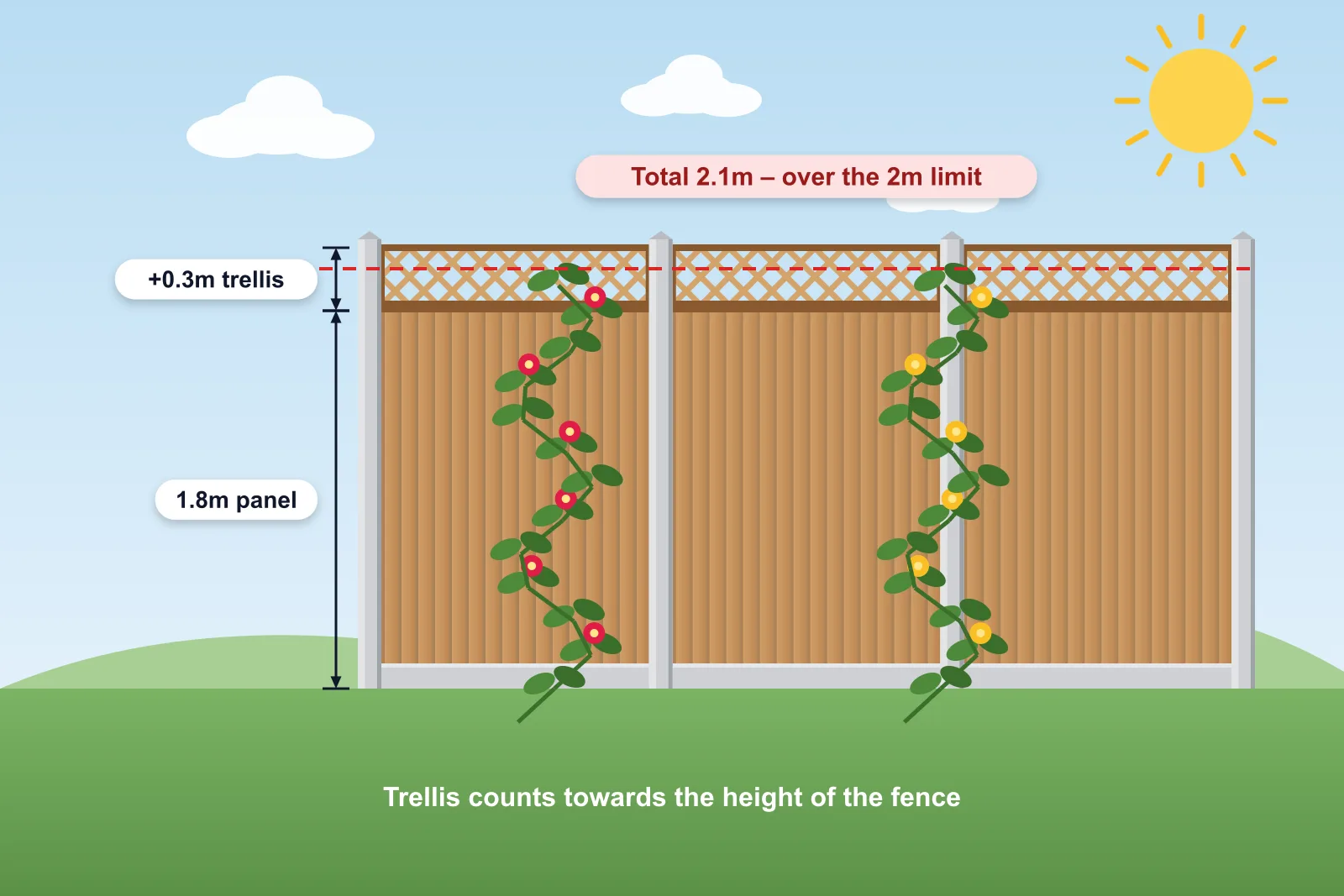
Trellis counts towards the height of a fence, so in most back gardens the panel and trellis together must stay at or below 2m to avoid planning permission – for example a 1.5m or 1.7m panel with a 300mm trellis. Fix trellis to posts that are long enough and sound enough to take it, never just to the top of the panels.
A strip of trellis on top of a fence adds height, softens the look and gives climbing plants something to grow on. It is cheap, light and quick to fit, which makes it the obvious answer when a fence is not quite tall enough.
There are two things to check before you start: whether the extra height stays within the planning limits, and whether the posts can take the extra load.
Trellis and the 2m limit
Planning rules measure the total height of the boundary, including trellis, finials and post caps. If you already have a 1.8m fence, adding a 300mm trellis takes it to 2.1m, which would normally need planning permission. Next to a road, the limit is usually 1m in total.
If you are replacing the fence anyway, a common solution is a 1.5m or 1.7m panel with a 300mm or 450mm trellis, giving a full 2m boundary that stays within permitted development.
Can your posts take it?
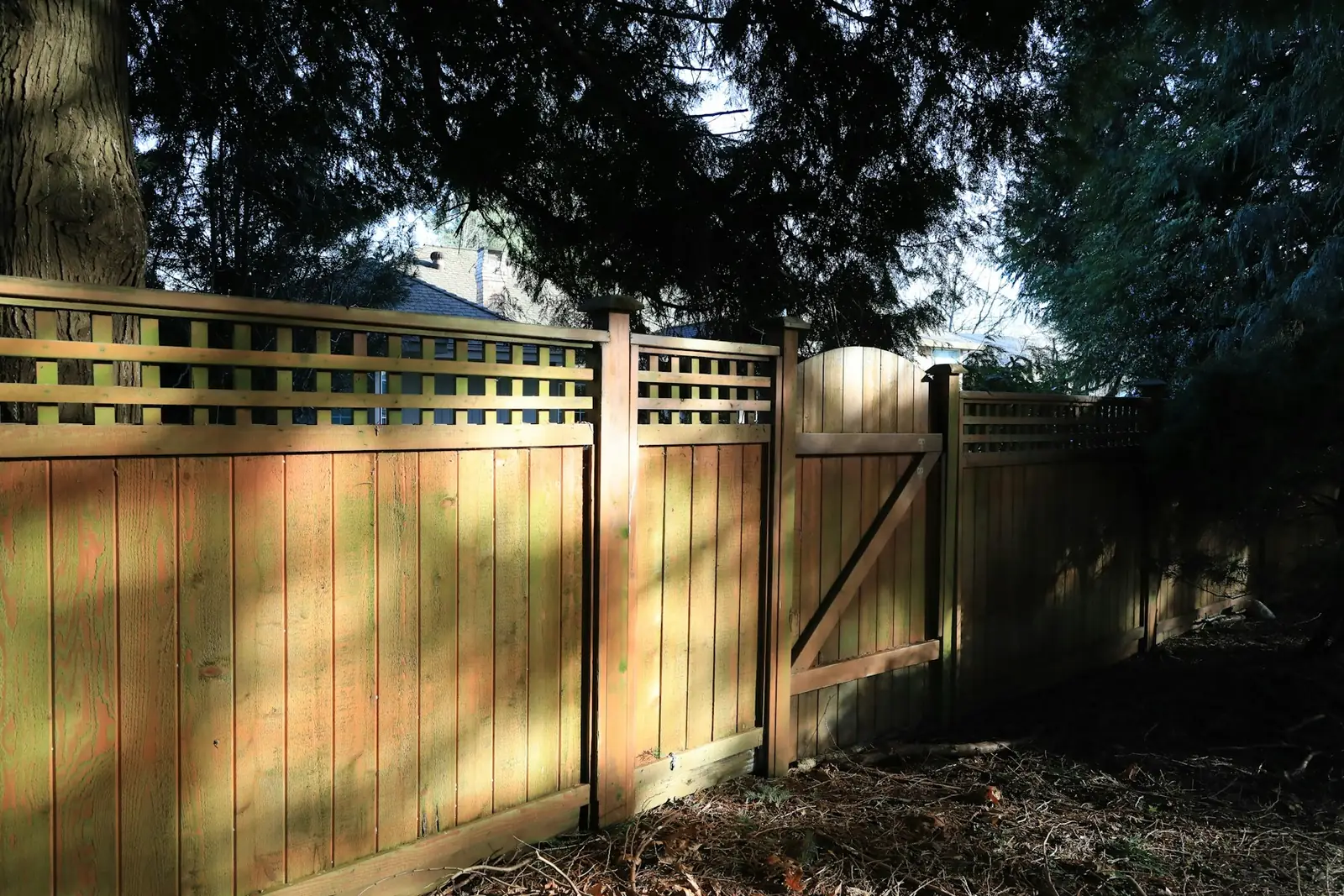
Trellis catches more wind than you might expect, especially once it is covered in plants. Fixing it to the top of an old fence puts extra leverage on posts that may already be weak at ground level.
- Posts must be long enough to support the trellis along its full height
- Use post extenders only on sound posts – never on rotten or leaning ones
- Concrete posts are available with extra length for trellis
- Fix trellis to the posts, not to the top rail of the panel
Choosing trellis
Square lattice is traditional and suits cottage gardens; diamond lattice is more decorative; slatted toppers suit modern fences. Heavier, framed trellis lasts longer and is better for climbers. Treat it at the same time as the fence so it weathers evenly.