The short answer
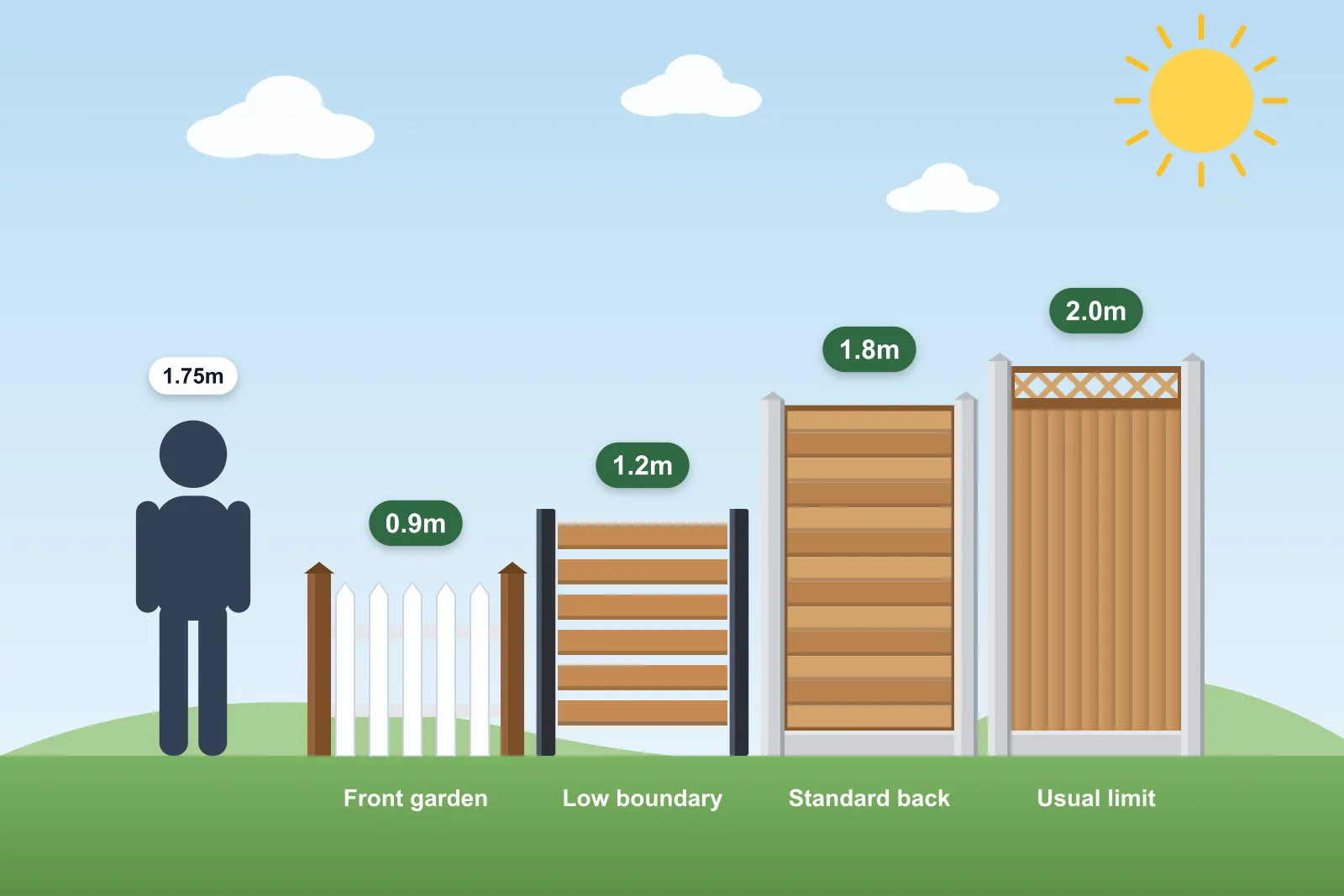
The standard UK garden fence is 1.8m (6ft) high, which blocks the view for most adults and stays within the 2m limit for back gardens. Front garden fences next to a road are usually 0.9m–1m. Use 1.2m–1.5m where you want to mark a boundary or keep small pets in without losing light or views.
Fence panels are sold in standard heights – usually 0.9m, 1.2m, 1.5m and 1.8m (3ft, 4ft, 5ft and 6ft) – and most fences are built to one of those. The right one depends on what the fence is for and where it is.
Remember that height is a trade-off. A taller fence gives more privacy but casts more shade, catches more wind and costs a little more.
Common fence heights and what they are for
A typical adult's eye level is around 1.5m–1.7m, so a 1.8m fence gives privacy on level ground. If your neighbour's garden is higher than yours, you may need more height – or screening close to your seating area – to get the same effect.
- 0.9m–1m – front gardens next to a road, decorative picket fencing
- 1.2m – low boundaries, keeping small dogs and children in, between open-plan gardens
- 1.5m – a compromise for semi-privacy where you want to keep the light
- 1.8m – the standard for back gardens; above eye level for most adults
- 2m – the maximum in most back gardens without planning permission, often 1.8m panel plus trellis
Light, shade and wind
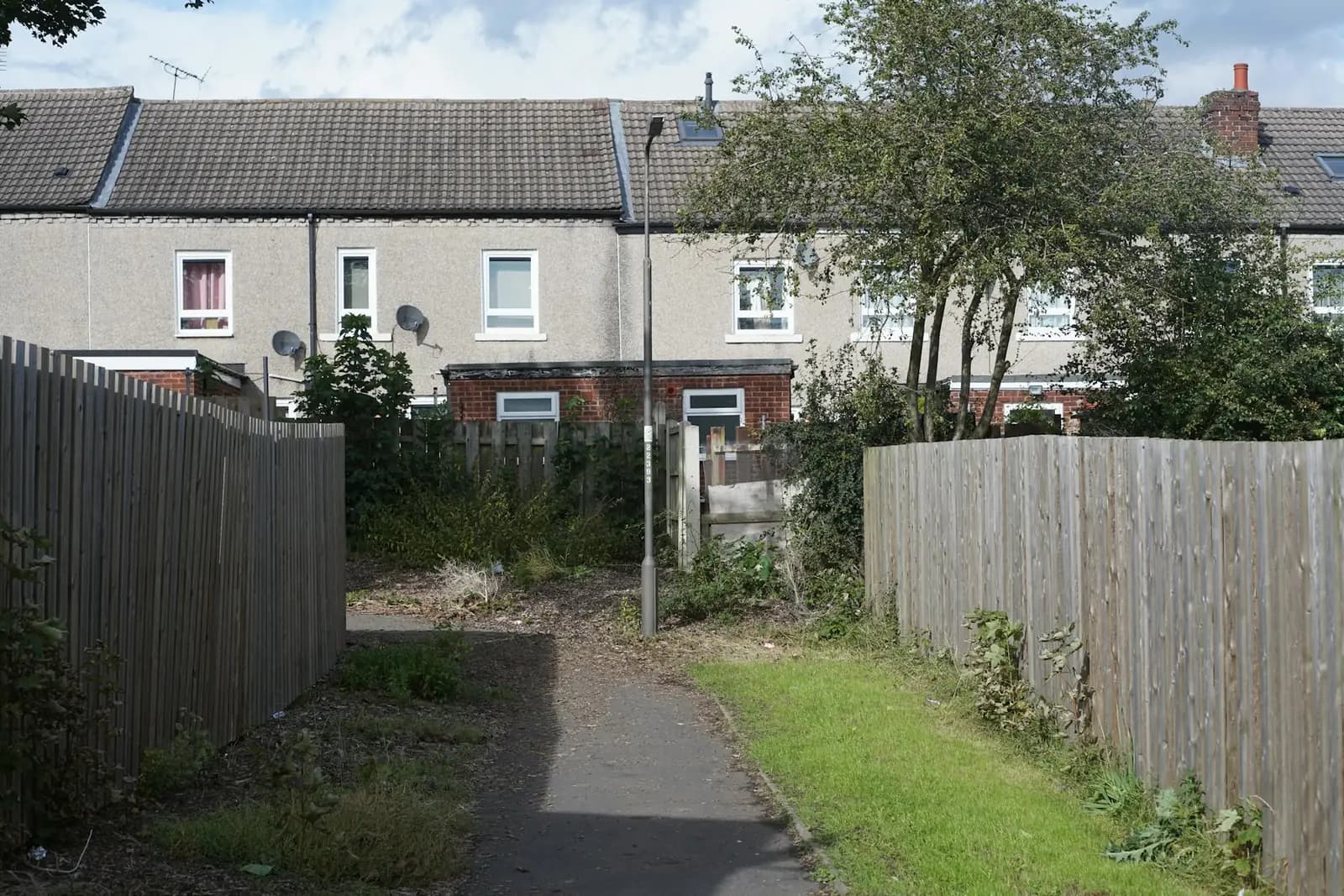
A 1.8m fence on the south side of a small garden can shade a strip of lawn or border for much of the day. If light matters, consider a slatted fence or a lower solid fence with trellis above, which lets dappled light through. Taller fences also catch more wind and need stronger posts.
Staying within the rules
In most of the UK, fences up to 2m need no planning permission, falling to 1m next to a road used by vehicles. Trellis counts towards the total height. If you want to go higher, you will need to apply for planning permission.