Balcony Awnings for Flats and Apartments
A small balcony in full sun can be unusable on a summer afternoon. Here is how to shade it – and the permissions you need first.
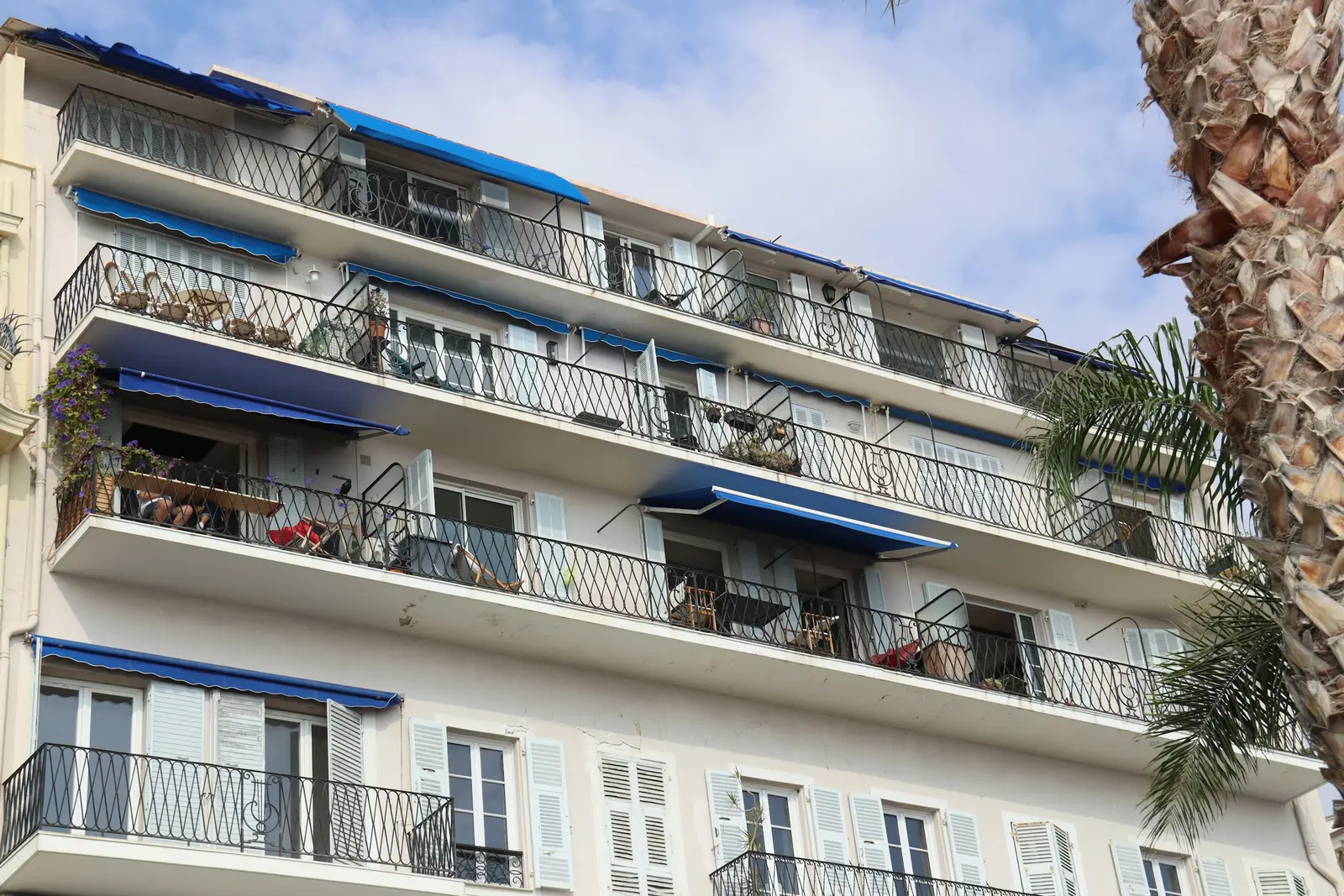
Balconies and roof terraces tend to be exposed: high up, often facing the sun all afternoon and catching more wind than a ground-floor patio. A well-chosen awning can turn one into a comfortable extra room for the summer months.
The key differences from a garden awning are size, fixing and permission. Balcony awnings are usually compact, are often fixed to the ceiling or the balcony above rather than the wall, and almost always need the building owner's consent.
Awning options for balconies
On higher floors, wind is the deciding factor. Choose an awning with a good wind class and, if it is motorised, add a wind sensor so it closes itself when gusts pick up.
- Compact folding-arm awnings – projections from about 1.2m to 2m, fixed to the wall or the soffit above
- Drop-arm awnings – angle down over the balcony front to block low sun and give privacy
- Vertical side screens – pull-out fabric screens that shield you from wind and neighbours
- Free-standing awning frames – for roof terraces where nothing can be drilled
- Balcony parasols – rail-mounted or half-parasols for rented flats where fixing is not allowed
Permissions for flats
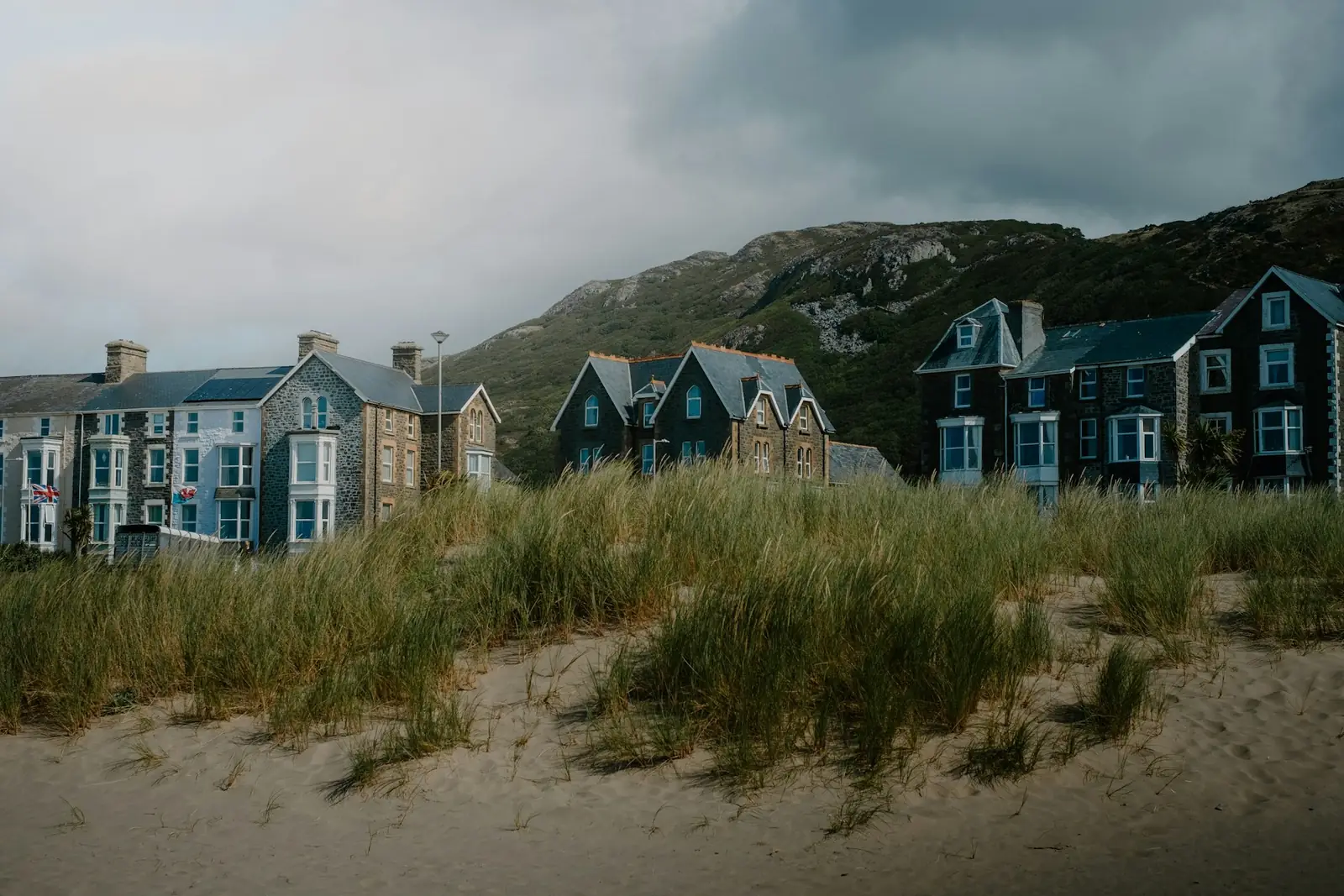
If you own a leasehold flat, the external walls and balcony structure usually belong to the freeholder, and most leases forbid alterations without consent. Ask the freeholder or managing agent in writing before you order. Some blocks have a set style and colour that all awnings must follow.
Flats do not have householder permitted development rights, so planning permission may be needed too, especially on a street-facing elevation or in a conservation area. Renters need the landlord's permission and may be better suited to a non-fixed option.
Fixing and installation
If there is a concrete balcony slab above, the awning can often be fixed to its underside with ceiling brackets. On exposed or rendered walls, the installer will need to check what the wall is made of before choosing anchors. Access to upper-floor balconies may require a cherry picker or scaffold tower, which adds to the cost.
Typical balcony awning costs
| Job | Typical UK price |
|---|---|
| Compact manual balcony awning, 2.5m x 1.5m, supplied and fitted | £700–£1,400 |
| Motorised balcony awning with wind sensor | £1,400–£2,600 |
| Vertical side screen | £300–£700 |
| Access equipment for upper floors | £150–£500 |
Indicative UK prices. Freeholder licence fees, where charged, are extra.
Compare awning quotes
Have a rough width and projection in mind, or just describe the space you want to shade, and compare quotes from awning installers near you.
Get free awning quotes
Describe your job once and compare quotes from local tradespeople who cover your area.
- Free to use
- No obligation
- Compare local tradespeople
- Quick online form
You'll continue to our quotes partner, MyJobQuote, to describe your job.
More awning guides
Plain-English advice on choosing, buying, fitting and looking after an awning.
- Retractable Patio Awnings: A Complete Guide
- How Much Does an Awning Cost in the UK?
- Electric vs Manual Awnings
- Open, Semi-Cassette and Full Cassette Awnings
- What Size Awning Do I Need?
- Awning Fabrics and Colours
- Awning Installation: What to Expect
- Awnings vs Pergolas, Parasols and Shade Sails
- Awning Maintenance, Cleaning and Repairs
- Shop and Café Awnings
- How to Choose an Awning Installer and Compare Quotes
Balcony awnings: common questions
Can I put an awning on my flat's balcony?
Usually, with the freeholder's written consent. Check your lease and ask the managing agent before ordering, and check whether planning permission is needed.
What if I'm renting?
You will need your landlord's permission to drill into the building. A free-standing frame or rail-mounted parasol is a good alternative.
Are balcony awnings safe in the wind?
Yes, if they are rated for the exposure and closed when the wind picks up. A wind sensor on a motorised awning adds protection, especially on high floors.
Can a balcony awning be fixed to the ceiling?
Yes. If there is a solid balcony or soffit above, ceiling brackets are often the neatest and strongest fixing.
Ready to compare awning quotes?
Free, no-obligation quotes from local awning installers.
Get Free Quotes